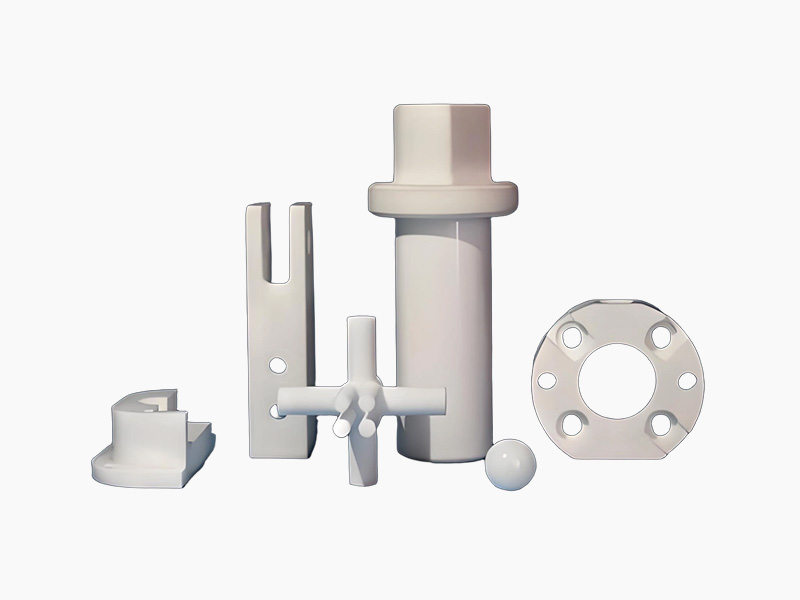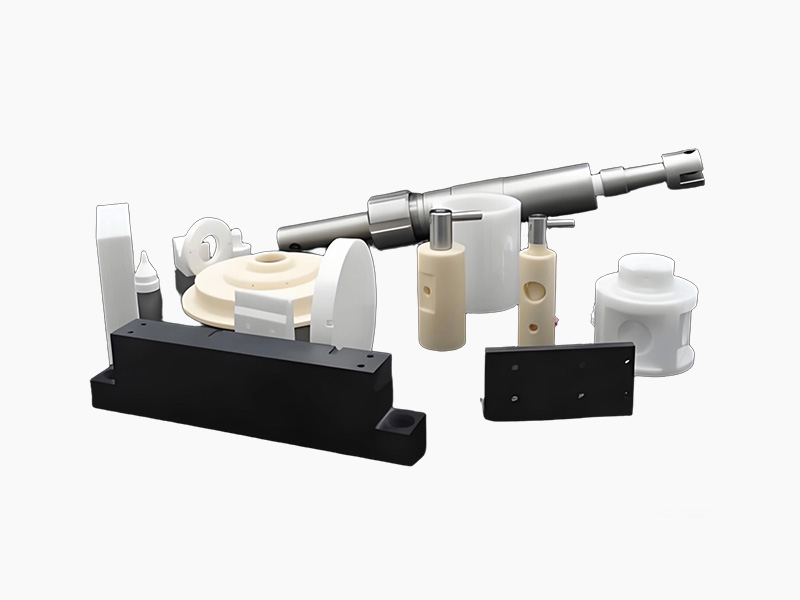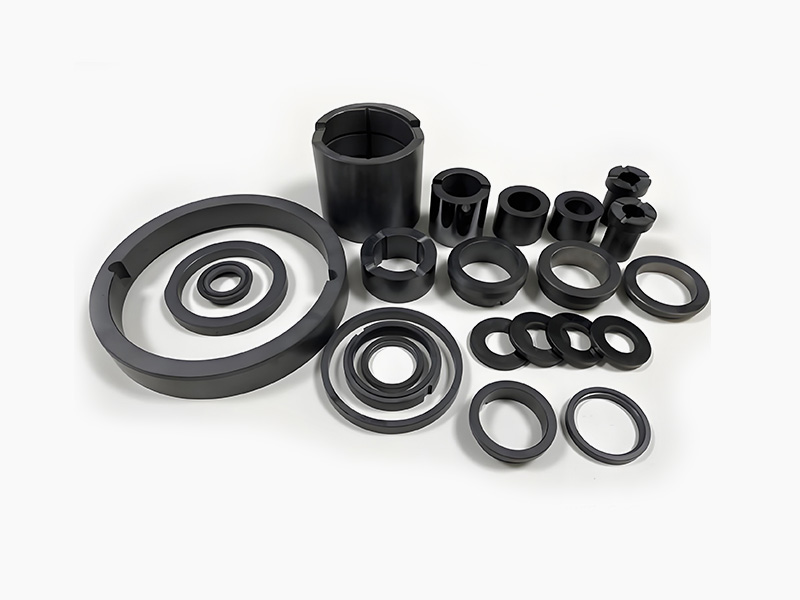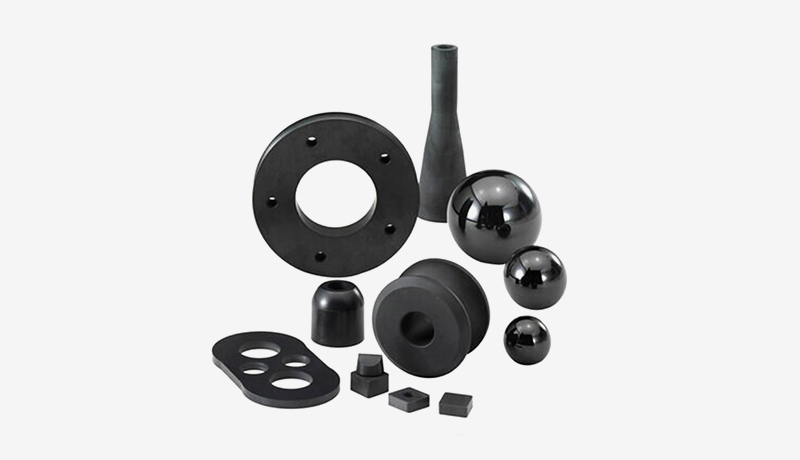
High Hardness and Wear Resistance: Hardness reaches HRA88 or higher, and wear resistance is 3-5 times better than that of metals, making it particularly suitable for continuous high-speed operation.
High Temperature Resistance: Operating temperature can reach 300-400℃, and full-complement ball bearings can even operate at higher temperatures.
Corrosion Resistance: Resistant to strong acids, strong bases, inorganic salts, seawater, and other corrosive media (except hydrofluoric acid).
Non-Magnetic Properties: Completely eliminates iron contamination during the classification process, ensuring product purity.
High-Precision Machining: Machining accuracy can reach ±0.005mm, and surface roughness can be as low as Ra0.02 micrometers.
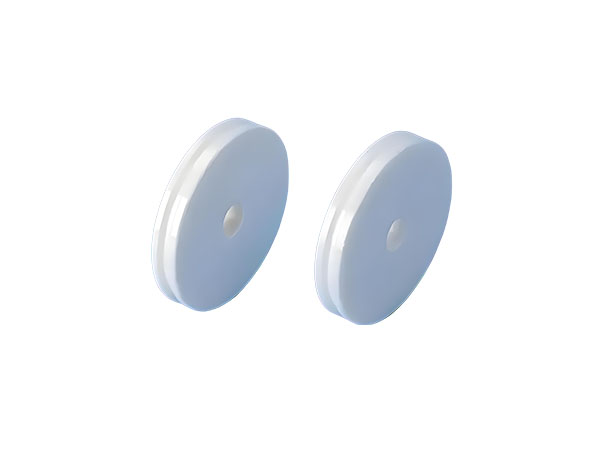
Zirconia Ceramic Wheel Product Introduction
Zirconia ceramic wheels are wheel-shaped components made from high-performance ceramic materials primarily composed of zirconium dioxide (ZrO₂). They are typically white at room temperature and contain trace amounts of hafnium dioxide (HfO₂) and the stabilizer yttrium oxide (Y₂O₃). This material, processed through special techniques, possesses excellent physical and chemical properties.
Product Advantages
1. Superior Material Performance: Combining excellent corrosion resistance and wear resistance, significantly extending service life.
2. Efficient and Precise Classification: Achieves narrow particle size distribution control through optimized flow field and adjustable blade design.
3. Zero-Pollution Compatibility: Non-magnetic properties completely eliminate the risk of iron contamination.
4. Full-Cycle Cost-Effectiveness: Long-life design reduces downtime and replacement frequency, lowering maintenance costs.
5. Environmental Adaptability: Maintains stable performance even in harsh environments such as high temperature, high load, and strong corrosion.
Application Fields
Zirconia ceramic wheels are widely used in several demanding fields:
1. New Energy Batteries: Classification wheels in the production of lithium battery cathode materials (lithium cobalt oxide, lithium iron phosphate, etc.).
2. Electronics Industry: Semiconductor manufacturing, precision instrument components.
3. Chemical Machinery: Corrosion-resistant components such as pumps and valves.
4. Aerospace: Structural components in high-temperature environments.
5. Medical Devices: Artificial joints, surgical instruments, etc.
Supports custom specifications.